
Athletic Skincare Routine Guide for Game Day
- Starr'd Athletics

- May 30
- 6 min read
You can have a clean shot, quick feet, and perfect game-day drip - then still lose the battle to sweat, sun, and clogged pores by halftime. That is why an athletic skincare routine guide matters. Athletes put their skin through heat, friction, sunscreen, dirt, and repeat exposure that most skincare advice barely talks about.
Regular skincare content usually assumes you are sitting in AC, not sprinting through a doubleheader. Athletic skin needs a routine that can handle movement, outdoor exposure, and the fact that you do not have 14 extra minutes in the locker room. The goal is not a vanity routine. It is skin that stays comfortable, protected, and ready before, during, and after play.
What makes an athletic skincare routine different
Sports change the whole equation. Sweat by itself is not the enemy, but when it mixes with sunscreen, oil, dust, makeup, or gear rubbing against your face, skin can get irritated fast. Add helmets, headbands, chin straps, or constant towel wiping, and you have a recipe for breakouts, redness, and dry patches at the same time.
That is why a real athletic skincare routine guide has to focus on performance first. Your products need to be simple, fast, and built for skin under pressure. If something feels heavy, stings when you sweat, or slides off the minute the game gets intense, it is probably not the right fit.
There is also a trade-off between doing too little and doing too much. Skip cleansing and your skin can stay coated in sweat and buildup. Go too hard with harsh scrubs and strong actives every day, and your skin barrier can get wrecked. Athletes usually do better with a consistent routine that covers the basics well instead of chasing every trend on social media.
The athletic skincare routine guide: before play
Pre-game skincare should feel like part of getting dressed, not a whole extra project. Start with clean skin. If you woke up and still feel fresh, a gentle rinse may be enough. If you are heading into practice after school, training, or a long day outside, use a cleanser that removes oil and grime without leaving your face tight.
Next comes hydration. A lightweight layer matters, even if your skin gets oily. When skin is dehydrated, it can overcompensate and get even shinier. The key is keeping it light. Heavy creams can feel greasy once the sweat starts rolling.
Then protect. If you play outside, sunscreen is not optional. It is part of your equipment. Choose something that works for active wear and does not feel like a mask. Some athletes like a liquid sunscreen for full coverage, while others prefer powder formats for a lighter feel and easier touch-ups. It depends on your sport, your skin type, and how much time you are in direct sun.
If you wear eye black, this step matters too. Skin prep can affect how smooth and comfortable it sits. Clean, dry skin gives you the best shot at getting a sharp look that stays put. That is where the style side meets performance. The best game-day face is not just protected - it is match ready.
During-play skin care is mostly about smart touch-ups
You do not need a full routine on the sideline. You need a few smart habits that keep your skin from getting wrecked mid-game.
First, be careful with how you wipe sweat. Rubbing your face hard with a dirty towel or jersey can create irritation and push grime deeper into the skin. Blot when you can. It is a small change, but over a long season, it helps.
Second, reapply sun protection if you are out for extended periods. This is where easy formats win. If a product is too messy or takes too long, most athletes will skip it. Practical beats perfect every time.
Third, pay attention to friction zones. The bridge of the nose, cheeks, jawline, and forehead often take the most abuse from straps, hats, or repeated contact. If those spots keep flaring up, it may not be random acne. It might be irritation from your gear. Cleaning that gear regularly can help just as much as switching products.
After play is where skin either recovers or rebels
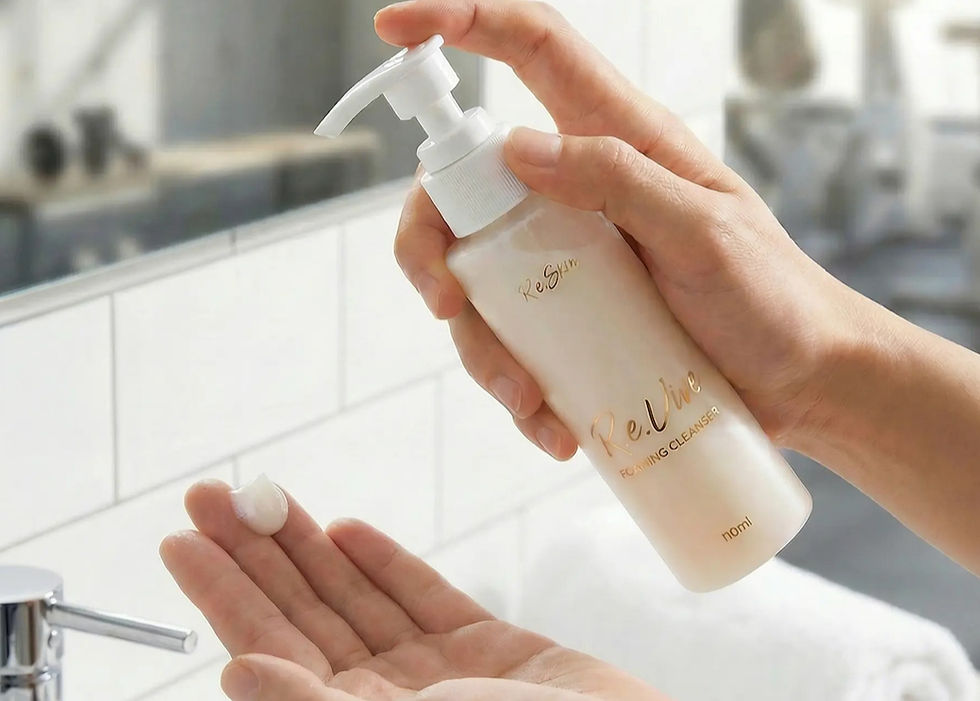
Post-game is the most overlooked part of any athletic skincare routine guide, and honestly, it is where a lot of skin problems start. Sitting around in sweat, sunscreen, and field dirt after the whistle blows is rough on your skin. The sooner you can rinse or cleanse, the better.
Start with a cleanser that gets the day off your face without stripping it raw. If you wore heavier sunscreen, eye black, or spent hours outside, you may need a more thorough wash than usual. But thorough does not mean aggressive. Your skin has already been through enough.
After cleansing, bring hydration back in. A lightweight mist or hydrating layer can help skin feel calm again, especially after heat and sun. Follow that with a moisturizer that fits your skin type. If you are acne-prone, this might be a gel or lotion texture. If your skin gets dry from sun and wind, you may need something a little richer at night.
This is also the time to be selective with treatments. If you use products for breakouts, uneven texture, or oil control, post-game evening is usually the better window than right before practice. Strong actives during intense sun exposure can be tricky. Some athletes handle them fine, others end up irritated. It depends on your skin, your sport, and how often you are outside.
Common mistakes athletes make
A lot of players think more scrubbing equals cleaner skin. Usually it just means angrier skin. If your face feels squeaky, burned, or overly dry after washing, you are probably overdoing it.
Another common miss is skipping moisturizer because of oily skin. That backfires more often than people expect. Balanced skin tends to behave better than skin that is constantly stripped.
Then there is the all-too-common move of using body products on your face because they are nearby in the shower. Your face is dealing with enough already. Keep the harsh stuff for your cleats, not your cheeks.
And yes, sleeping in sunscreen, sweat, or game-day product is a problem. Even if you are exhausted after a tournament, give your skin two minutes. Future you will be glad you did.
Building a routine that actually sticks
The best routine is the one you will really use when your schedule gets busy. For most athletes, that means a cleanser, a hydrating product, a moisturizer, and sun protection. Everything else is extra.
If your skin is sensitive, keep your routine tighter and introduce new products slowly. If your skin is breaking out often, look at the full picture. It may be your products, but it also may be dirty pillowcases, unwashed gear, constant face touching, or staying in sweaty clothes too long. Good skin is not just about what goes on your face.
For younger athletes, parents usually do the buying, so convenience matters. A routine that is fast and easy to understand will win over a complicated shelf full of products every time. For teen and college athletes, portability matters too. If it fits in your bag and does not make a mess, you are way more likely to use it consistently.
That is why athlete-focused skincare hits different. It gets that skin is part of preparation, not an afterthought. Brands like Starr'd Athletics understand that performance and presentation can live in the same routine. You should not have to choose between protecting your skin, feeling confident, and showing up with your own style.
Athletic skincare routine guide by season
Your skin routine should flex with the calendar. Summer means more sweat, more UV exposure, and more reapplication. Winter sports or cold-weather training can bring dryness, windburn, and irritation even when you are not dripping sweat.
In hotter months, lighter textures usually feel better. In colder months, barrier support matters more. Shoulder seasons can be weird because your skin may swing between oily and dry in the same week. If your routine stops working, that does not always mean the product is bad. It may just mean the conditions changed.
Skincare for athletes is not about chasing perfect skin every single day. It is about giving your skin what it needs to keep up. Keep it clean. Keep it protected. Keep it light enough to move with you. A good routine should feel like part of your game-day setup - not extra, not complicated, just ready when you are.


Comments